Editorial Guidelines
These Editorial Guidelines define the standards, expectations, and communication principles required for all written content representing Retaining Walls Kapiti. Every piece of content published across digital platforms, service pages, educational resources, marketing materials, and customer support documentation must demonstrate professionalism, construction expertise, and a strong commitment to clarity and accuracy.
High-quality communication is essential in the retaining wall and groundworks sector. Property owners, developers, builders, engineers, and facility managers rely on clear and reliable information when making decisions about land stability, drainage control, structural safety, compliance, and long-term asset protection. These guidelines ensure that all content associated with Retaining Walls Kapiti remains trustworthy, consistent, and aligned with construction best practices in New Zealand.
Purpose of Our Retaining Wall Content
The primary purpose of all content produced under Retaining Walls Kapiti is to educate, inform, and support readers with practical, real-world guidance. Content should empower users to understand retaining wall systems, recognise early warning signs of failure, and make informed decisions regarding inspections, repairs, or new construction.
All content must aim to:
- Explain retaining wall systems and construction methods clearly
- Highlight durability, safety, and compliance benefits
- Provide actionable guidance for inspections and maintenance
- Support informed decision-making for residential and commercial land
- Reinforce construction expertise and professional standards
Every article, page, or resource should strengthen confidence and demonstrate a commitment to long-lasting, structurally sound retaining wall solutions.
Core Values to Reflect in All Content
All contributors must embed the core values associated with Retaining Walls Kapiti throughout tone, structure, and messaging.
Professionalism
Maintain a respectful, confident, and knowledgeable voice grounded in real construction experience.
Clarity
Avoid unnecessary jargon. When technical terms are required, explain them in plain, reader-friendly language.
Trust
Ensure all statements are factual, accurate, and aligned with recognised building practices. Avoid exaggerated or misleading claims.
Consistency
Use consistent terminology, formatting, and tone across all content to ensure coherence and reliability.
Expertise
Position retaining wall professionals as specialists in ground support, drainage, and structural stability.
Brand Voice and Tone
The brand voice of Retaining Walls Kapiti is authoritative yet approachable. Content should guide readers calmly and confidently through often complex construction decisions.
Tone characteristics include:
- Practical and solution-focused
- Reassuring without being alarmist
- Informative and locally relevant
- Supportive of informed decision-making
Example of Proper Tone
Instead of stating:
“Your retaining wall is likely to fail soon if ignored.”
Write:
“Early inspections and appropriate maintenance can help address retaining wall issues before they develop into larger structural concerns.”
This approach educates readers while maintaining trust and credibility.
Accuracy and Reliability Standards
All content published under Retaining Walls Kapiti must be accurate, current, and aligned with New Zealand building codes and safety regulations.
Accuracy requirements include:
- Fact-checking prior to publication
- Alignment with council guidelines and engineering principles
- Clear explanations of materials, construction methods, and drainage systems
- Avoidance of unsupported guarantees or promises
Accuracy protects readers while safeguarding professional credibility.
Presenting Retaining Wall Services Clearly
Service-related content should explain retaining wall solutions in a structured, logical format that reflects real-world project workflows.
Effective service presentation includes:
- Clear explanations of site assessment processes
- Step-by-step construction or repair overviews
- Drainage and soil management considerations
- Safety, compliance, and longevity benefits
- Acknowledgement that solutions vary by site conditions
This clarity helps readers understand how Retaining Walls Kapiti supports long-term land stability and safety.
Readability and Content Structure
Content must be written for readability and scannability. Readers should quickly locate relevant information without confusion.
Best practices include:
- Clear H2 and H3 headings
- Short, focused paragraphs
- Bullet points for complex concepts
- Logical progression of ideas
- Clear next-step guidance
Well-structured content reflects professionalism and improves comprehension.
Calls to Action in Construction Content
Calls to action guide readers toward appropriate next steps without pressure. CTAs should be relevant, informative, and naturally integrated.
Effective CTAs include:
- Request a retaining wall assessment
- Learn more about drainage solutions
- Explore repair or reinforcement options
- Speak with a retaining wall specialist
Strong CTAs improve engagement while respecting the reader’s decision-making process.
Visual and Media Standards
Visual assets must reinforce accuracy, safety, and professionalism.
All images and media used with Retaining Walls Kapiti content must:
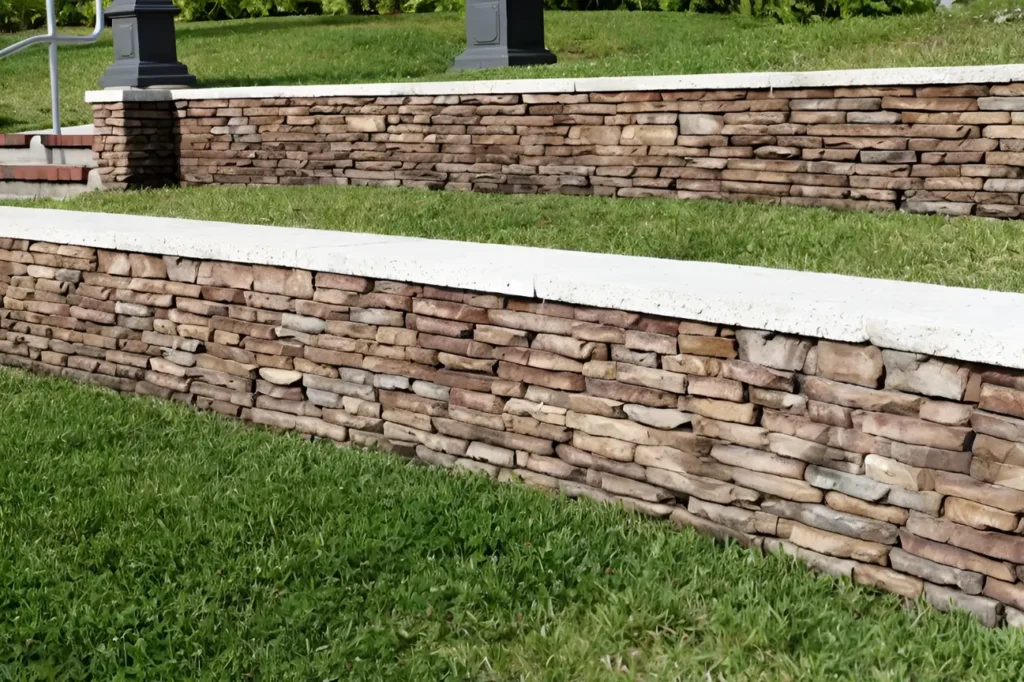
- Show real retaining wall work where possible
- Avoid misleading or generic imagery
- Be clear, well-lit, and relevant
- Include descriptive alt text for accessibility
- Support the craftsmanship and technical nature of the work
Consistent visuals reinforce trust and credibility.
SEO and Online Visibility Guidelines
SEO best practices ensure content is discoverable, helpful, and aligned with search intent.
Recommended practices include:
- Natural keyword placement
- Proper heading hierarchy
- Direct answers to common retaining wall questions
- Internal linking to service and FAQ pages
- High-quality meta titles and descriptions
SEO supports visibility while enhancing user experience.
Professional Standards for Contributors
Anyone contributing content for Retaining Walls Kapiti must adhere to strict professional standards.
Contributors are required to:
- Produce original, plagiarism-free content
- Follow construction accuracy standards
- Communicate ethically and transparently
- Participate in review and revision processes
- Fully align with these editorial guidelines
These standards ensure consistent quality across all published material.
Accessibility and Inclusivity
Content must be accessible to a broad audience, regardless of technical background.
Accessibility requirements include:
- Clear, plain English
- Mobile-friendly formatting
- Inclusive and respectful language
- Proper heading and paragraph structure
Inclusive communication reflects professionalism and care.
Editorial Workflow and Quality Control
A structured workflow ensures reliability and consistency across all content produced for Retaining Walls Kapiti.
Editorial stages include:
- Content planning and drafting
- Editorial review for clarity and tone
- Technical accuracy verification
- SEO optimisation and formatting
- Final approval
- Periodic review and updates
This process ensures content remains accurate and relevant over time.
FAQs – Editorial Guidelines
They ensure that all content is accurate, consistent, and aligned with construction best practices, legal requirements, and professional standards.
Anyone writing, editing, or publishing content related to retaining wall services, including internal teams and external contributors.
Content should be clear, professional, supportive, and informative without being overly technical or alarmist.
Through fact-checking, alignment with New Zealand standards, and periodic content reviews.
Content should be reviewed regularly and updated whenever regulations, materials, or best practices change.
Construction methods, drainage solutions, inspections, maintenance, safety, compliance, and land stability guidance.
Yes, provided all submissions meet these editorial guidelines and pass review standards.
Contact Us
If you would like to contribute content, collaborate on educational resources, or discuss editorial standards related to Retaining Walls Kapiti, please get in touch.
Email: info@retainingwallskapiti.co.nz
Website: https://retainingwallskapiti.co.nz/contact-us/
Contributions that promote education, clarity, safety, and excellence within the retaining wall and construction industry are welcomed and encouraged.